
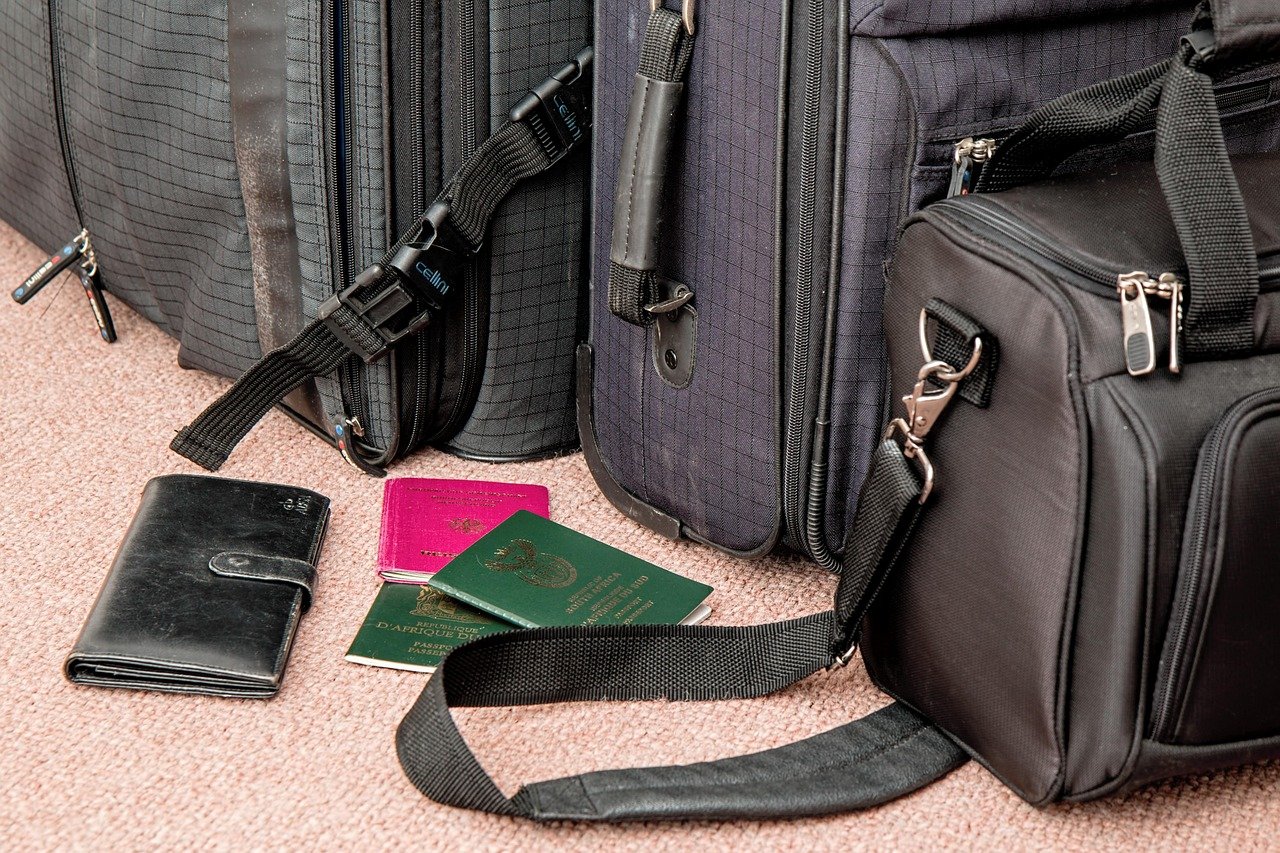
Traveling is more than just a break from the daily grind; it is a transformative experience that broadens perspectives, challenges comfort zones, and creates lasting memories. Whether you are traversing the cobblestone streets of Europe, exploring the lush biodiversity of Southeast Asia, or road-tripping through your own home country, travel offers a unique opportunity to connect with the world in a meaningful way. In an era where work-life balance is increasingly prioritized, understanding how to travel smarter, more sustainably, and more affordably is essential for every modern explorer.
Planning Your Perfect Itinerary
Defining Your Travel Style
Before you book your flights, it is crucial to determine what kind of traveler you are. Knowing your preferences helps in selecting the right destinations and pacing your trip effectively.
- The Cultural Explorer: Prioritizes museums, local history, and authentic culinary experiences.
- The Adventure Seeker: Focuses on hiking, water sports, and adrenaline-pumping activities.
- The Digital Nomad: Needs reliable Wi-Fi, coworking spaces, and a balance between exploration and productivity.
- The Budget Backpacker: Looks for hostels, public transit, and street food to maximize longevity of the trip.
The Art of Logistics
Effective planning is the difference between a stressful trip and a seamless one. Start by setting a realistic budget and using tools like Google Flights or Skyscanner to track price trends.
- Book in advance: Generally, booking international flights 3–6 months ahead yields the best rates.
- Use offline maps: Download areas on Google Maps to navigate without international data.
- Travel insurance: Never skip this; it protects you against medical emergencies, cancellations, and lost luggage.
Budgeting Strategies for Every Traveler
How to Save Before You Go
Financing a trip doesn’t require a fortune if you have a strategic approach. Small adjustments in your daily life can lead to significant travel funds.
- Create a dedicated “Travel Fund” savings account.
- Automate small, weekly contributions to your travel budget.
- Cut non-essential subscriptions for a few months prior to departure.
Managing Expenses on the Road
Once you arrive, your daily spending can make or break your trip. Utilizing local knowledge is key to keeping costs down while maintaining a high quality of experience.
- Eat like a local: Avoid restaurants in major tourist squares; instead, explore side streets or visit local food markets.
- Leverage public transport: Opt for subways, trams, or regional trains instead of taxis or private transfers.
- Free walking tours: Most major cities offer these; they provide excellent historical context and help orient you early in your trip.
Sustainable and Responsible Tourism
Minimizing Your Environmental Footprint
As travelers, we have a responsibility to preserve the destinations we visit. According to the UN World Tourism Organization, sustainable tourism is defined as tourism that takes full account of its current and future economic, social, and environmental impacts.
- Carry a reusable water bottle and a high-quality filter to reduce plastic waste.
- Choose non-stop flights whenever possible, as take-offs and landings generate the most carbon emissions.
- Opt for eco-friendly accommodations that prioritize water conservation and waste reduction.
Supporting Local Economies
Your money has power. By spending locally, you ensure that tourism revenue supports the community directly.
- Buy souvenirs from local artisans rather than imported, mass-produced items.
- Hire local guides for tours, which provides them with sustainable employment.
- Stay in locally owned guesthouses or boutique hotels rather than large, international hotel chains.
Essential Travel Safety Tips
Securing Your Personal Belongings
Safety is the foundation of a successful trip. Being aware of your surroundings and having a plan for your valuables is essential.
- Use a money belt or an anti-theft bag in crowded areas.
- Keep digital copies of your passport, visa, and travel insurance stored in a secure cloud service.
- Distribute your cash and credit cards in different bags or locations.
Staying Healthy Abroad
Health issues can derail your plans instantly. Preparing for the specific health requirements of your destination is a vital step.
- Research mandatory or recommended vaccinations for your destination.
- Pack a basic first-aid kit containing painkillers, antihistamines, and antiseptic wipes.
- Consult the CDC or local government travel sites for updated health advisories before departure.
Conclusion
Travel is an investment in yourself, providing memories and insights that far outweigh the cost of the trip. By planning with intention, managing your budget wisely, and practicing responsible tourism, you ensure that your journeys remain enriching and sustainable for years to come. Remember, the best travel experiences often happen when you embrace the unexpected, so step out of your comfort zone, remain curious, and enjoy the adventure that awaits you.