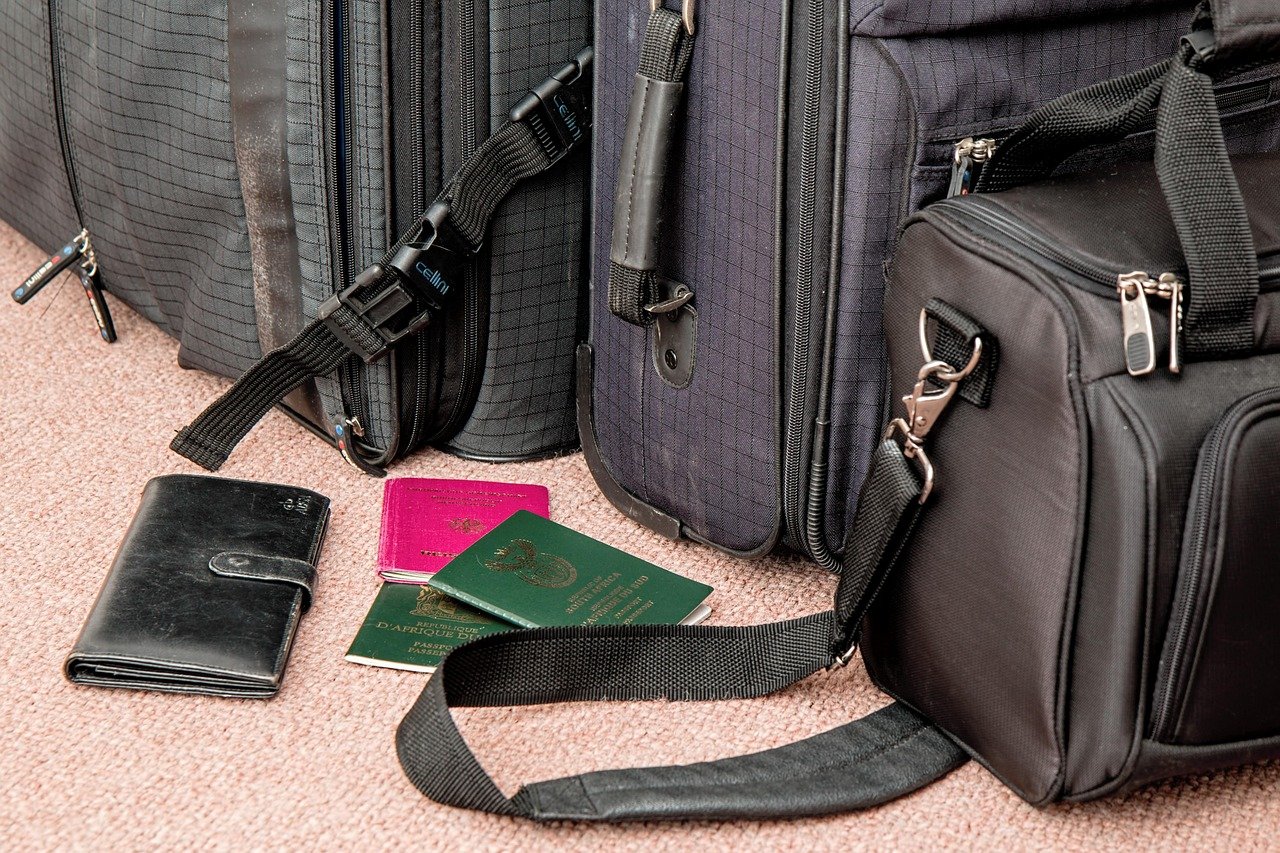

Planning a family vacation is more than just booking flights and hotels; it is about crafting shared experiences that turn into lifelong memories. Whether you are trekking through national parks, exploring historical cities, or lounging on pristine beaches, a well-coordinated getaway can strengthen family bonds and provide a much-needed break from the daily grind. With the right strategy, you can minimize the stress of logistics and maximize the joy of discovery, ensuring that every family member—from toddlers to grandparents—feels included and excited for the journey ahead.
Choosing the Perfect Destination
Aligning Interests and Ages
The success of a trip often hinges on selecting a location that caters to the diverse needs of your group. According to travel industry reports, over 60% of family travelers prioritize destinations that offer a mix of relaxation and structured activities.
- For families with young children: Prioritize destinations with easy accessibility, stroller-friendly paths, and reliable infrastructure, such as all-inclusive resorts or theme parks.
- For families with teenagers: Seek out destinations that offer adventure, independence, and social opportunities, such as urban centers with shopping or coastal towns with water sports.
Seasonal Considerations
Timing your travel can significantly impact your budget and experience. Traveling during the “shoulder season”—the period between peak and off-peak times—often results in lower prices and smaller crowds, making it ideal for families looking for a more relaxed pace.
Effective Budgeting Strategies
Setting a Realistic Limit
Financial transparency is key to a stress-free trip. Start by defining your total budget early, then break it down into categories such as transportation, lodging, dining, and emergency funds. Using apps like TripIt or dedicated travel budget spreadsheets can help you keep track of expenses in real-time.
Saving on Essential Costs
- Book in advance: Flights and accommodations are generally cheaper when booked 3-6 months in advance.
- Utilize kitchenettes: Choosing a vacation rental with a kitchen allows you to prepare breakfast or snacks, saving significant money on daily dining.
- Leverage loyalty programs: Sign up for hotel and airline rewards programs to accumulate points that can be redeemed for future travel discounts.
Packing Smart for the Whole Family
The “Essentials-First” Approach
Packing can be overwhelming, but an organized approach simplifies the process. Create a master checklist that categorizes items by family member and activity type. Always pack a “carry-on survival kit” for children, which should include snacks, entertainment, and a change of clothes in case of lost luggage or spills.
Tech and Document Organization
In our digital age, staying organized is easier than ever. Keep digital copies of passports, travel insurance, and hotel reservations in a secure cloud folder. Ensure all portable devices are fully charged and equipped with downloaded offline maps and entertainment for long travel days.
Creating a Flexible Itinerary
Balancing Activity and Downtime
One of the most common mistakes in family vacation planning is over-scheduling. Aim to plan only one “big” activity per day, leaving the rest of the time open for spontaneous exploration or rest. Research shows that children often find over-scheduled trips exhausting, leading to meltdowns.
- Morning: Engage in high-energy sightseeing or excursions.
- Afternoon: Dedicate this time to downtime, such as a nap at the hotel or pool time.
- Evening: Enjoy a relaxed family dinner and an early night to recharge for the next day.
Incorporating Family Input
To foster a sense of ownership in the trip, involve your children in the planning process. Let each family member pick one activity or destination they are interested in visiting. This creates shared excitement and ensures everyone feels heard.
Managing Logistics and Safety
Navigating Transit
Whether you are flying or driving, have a contingency plan. If driving, map out your stops in advance, ensuring they are spaced every 3-4 hours to allow for movement and bathroom breaks. If flying, arrive at the airport at least three hours early for international flights to avoid the stress of tight security lines.
Prioritizing Health and Security
Always pack a basic first-aid kit containing bandages, antiseptic, pain relievers, and any necessary prescription medications. Additionally, keep a list of emergency contacts and local hospital locations in your phone or wallet, just in case of an unforeseen situation.
Conclusion
A memorable family vacation is not defined by perfection, but by the connections you build and the experiences you share along the way. By thoughtfully selecting your destination, sticking to a flexible budget, and balancing your itinerary with plenty of downtime, you set the stage for an incredible adventure. Remember, the goal is to create space for laughter, discovery, and quality time. As you begin planning your next getaway, focus on the joy of the journey itself, and you will undoubtedly return home with stories that last a lifetime.